


Forging Ahead: IoT and ERP Systems Paving the Way
- Srihari Maddula
- Aug 17, 2023
- 3 min read

Updated: Oct 19, 2025
In the ever-evolving landscape of technology, two potent forces — the Internet of Things (IoT) and Enterprise Resource Planning (ERP) systems — are reshaping industries. Their convergence has opened the doors to a new era of predictive analytics, artificial intelligence (AI), and operational efficiency. This powerful synergy is driving the digital transformation of modern enterprises, creating smarter, data-driven decision-making processes.

Unleashing the Synergy of IoT and ERP
The integration of IoT and ERP combines the data connectivity of IoT with the process intelligence of ERP systems. IoT enables interconnected devices to collect vast amounts of real-time data from machines, products, and environments, while ERP systems transform this data into actionable insights for decision-making and process optimization.
This IoT-ERP integration empowers businesses with the ability to monitor, analyze, and act upon operational data instantaneously — a game-changer for industries striving for smart manufacturing and Industry 4.0 readiness.
Real-time Insights and Predictive Analytics
The fusion of IoT-generated real-time data with ERP systems delivers unparalleled visibility into ongoing operations. This continuous stream of data facilitates predictive analytics, enabling organizations to anticipate issues, optimize performance, and enhance customer experiences.
Industry projections indicate that by 2025, over 30 billion IoT devices will be connected globally. This exponential growth will drastically increase the availability of real-time insights, making IoT-ERP integration the backbone of intelligent enterprise ecosystems.
Efficiency and Automation Beyond 2025
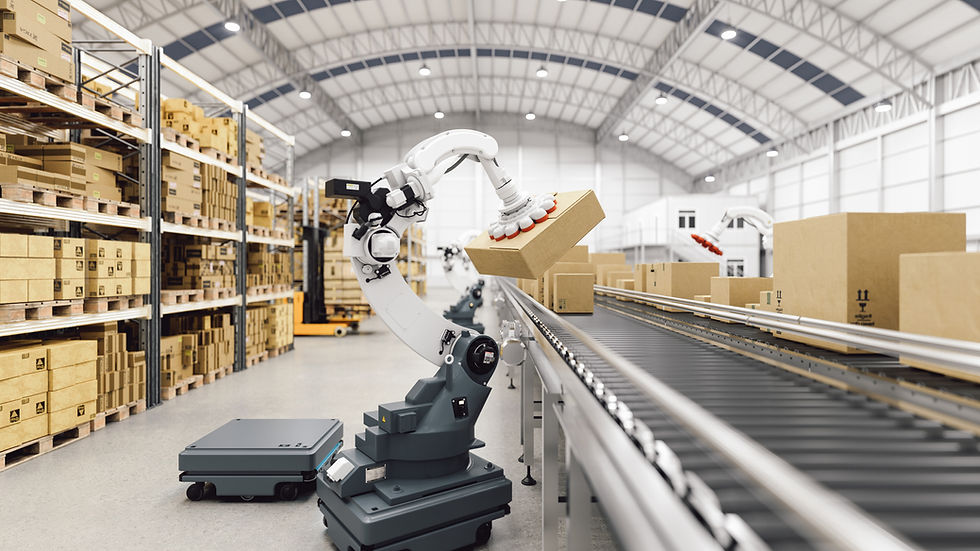
Beyond data visibility, the convergence of IoT and ERP drives automation and efficiency across multiple sectors. In manufacturing, IoT sensors feeding directly into ERP systems allow for predictive maintenance, reducing unplanned downtime and improving asset longevity.
Looking beyond 2025, industries like healthcare are expected to leverage this integration for enhanced patient outcomes. For instance, wearable IoT devices and smart hospital systems integrated with ERP platforms will enable real-time monitoring, predictive diagnostics, and streamlined hospital workflows — reshaping how healthcare operations function.
This evolution marks a significant step toward smart, connected enterprises that operate seamlessly from the factory floor to the executive dashboard.
Overcoming Challenges and Navigating the Future
As with any large-scale digital transformation, challenges arise. IoT security and data privacy remain critical concerns, with Deloitte reporting that 68% of executives cite security risks as a primary barrier to IoT adoption.Ensuring interoperability between IoT devices and ERP systems is another challenge, requiring standardized protocols and robust cybersecurity frameworks to protect sensitive industrial data.
Organizations investing in secure IoT architectures and Zero Trust frameworks will gain a competitive edge by ensuring trust and transparency in their connected ecosystems.
A Glimpse of What Lies Ahead
The future of IoT-ERP integration lies in AI-driven automation, machine learning-enabled decision-making, and cloud-based ERP solutions. By the late 2020s, enterprises will depend on intelligent ERP systems powered by IoT data streams, allowing decisions to be made autonomously based on predictive insights and real-time analytics.
Businesses that embrace this convergence of IoT, ERP, and AI will lead the next wave of industrial innovation, achieving unprecedented levels of efficiency, agility, and scalability.
Conclusion
The convergence of IoT and ERP is not just an upgrade — it’s a strategic revolution that redefines how businesses operate. As organizations move toward a connected, intelligent future, IoT-integrated ERP systems will serve as the foundation for predictive analytics, smart automation, and continuous improvement.
With each passing year, data-driven decisions powered by IoT and ERP integration will reshape industries, driving operational excellence, enhancing sustainability, and setting new standards for digital transformation in the era of Industry 4.0.


Comments