


5 Ways Technology Can Help Businesses Cope with Supply Chain Slowdowns

Introduction:

Global supply chain slowdowns have become a recurring challenge for businesses across industries. Natural disasters, pandemics, and geopolitical tensions often cause disruptions that lead to delayed deliveries, inventory shortages, and reduced revenue.
To maintain resilience and competitiveness, businesses must adopt digital transformation for infrastructure and integrate smart technology solutions that enhance visibility, agility, and decision-making across their logistics ecosystem. In this blog, we’ll explore how AI, IoT, and embedded systems are revolutionizing supply chain management and helping organizations overcome slowdowns efficiently.

1.#InventoryManagementSystems – Powered by AI and IoT
Modern inventory management systems leverage AI-powered embedded systems and IoT product engineering to monitor stock levels in real time.
By applying machine learning algorithms and predictive analytics, these systems forecast demand accurately and reduce stock-out risks. Businesses can make data-driven decisions about reordering supplies, minimizing downtime, and optimizing operational flow.
This is a key part of industrial IoT and automation, where AI for utilities and infrastructure management ensures supply chains remain synchronized and efficient even during disruptions.

2.#CloudBasedCollaborationTools – Digital Transformation for Teams
In a globally distributed environment, cloud-based collaboration tools enable real-time communication and coordination among supply chain stakeholders.
These digital platforms allow teams across smart city technology providers, logistics firms, and manufacturers to share information, track shipments, and resolve issues instantly — even when travel or physical meetings aren’t possible.
Such tools are central to engineering services for smart cities and urban infrastructure digitalization, allowing organizations to maintain workflow continuity through AI and IoT solutions for municipalities.
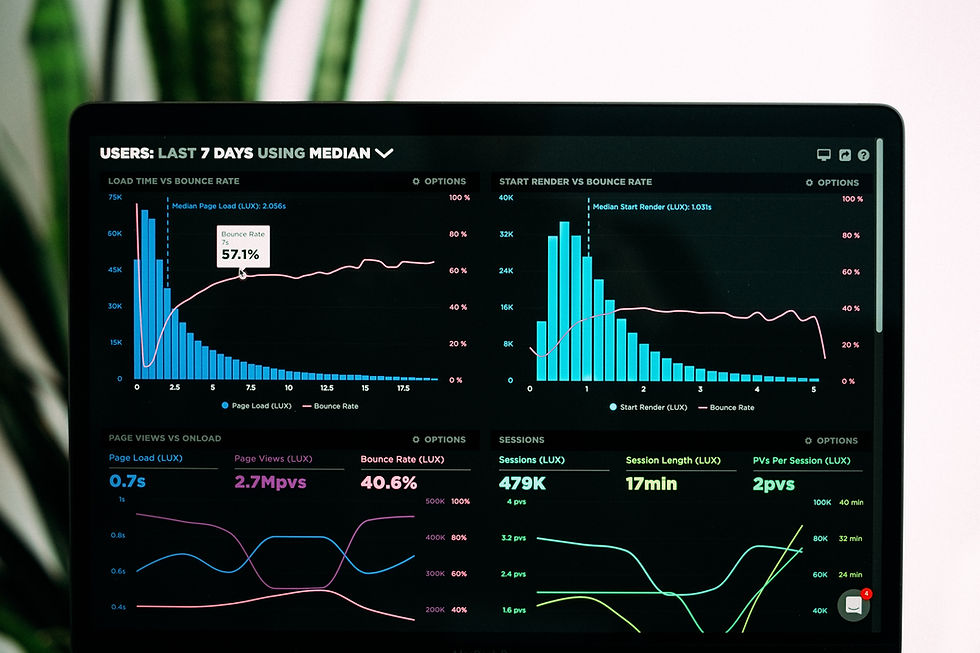
3. #IoTDevices – Real-Time Visibility and Tracking
IoT devices play a pivotal role in transforming supply chain operations. They provide real-time visibility into the location, condition, and performance of goods throughout the distribution network.
For example, embedded smart pole IoT integration and AI-enabled geospatial analytics allow companies to track shipment routes and environmental conditions — ensuring sensitive goods like perishables or electronics are transported safely.
IoT-enabled edge AI embedded systems also allow local data processing, enabling predictive maintenance using AI and IoT for logistics vehicles and warehouse equipment.
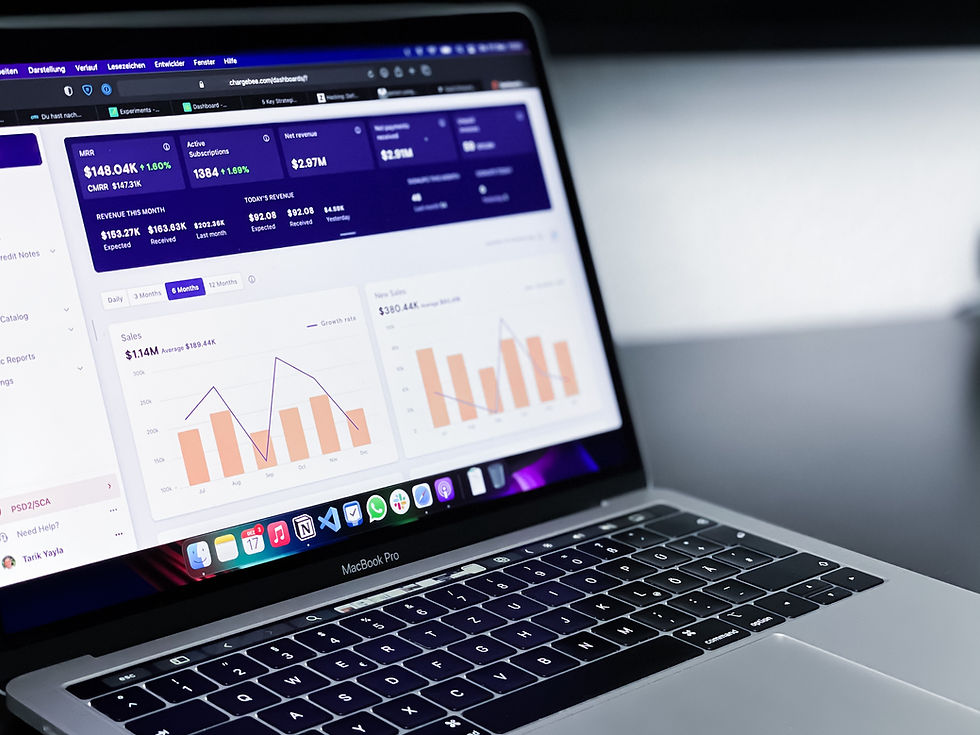
4. #SupplyChainAnalytics – Insight-Driven Optimization
With AI engineering solutions and AI in GIS and geospatial analytics, organizations can derive meaningful insights from complex supply chain data.
Supply chain analytics tools evaluate patterns in lead times, transport delays, and supplier performance — helping businesses identify bottlenecks and optimize workflow.
When combined with GeoAI and digital twin smart city models, this technology enables simulation-based analysis to predict potential disruptions before they occur, improving AI-powered smart infrastructure reliability.

5. #AutomatedWarehouseSystems – Robotics and Industrial Automation
Automated warehouse systems are a hallmark of industrial IoT and automation. They use robotics, conveyor systems, and AI-driven vision technology to accelerate order processing and inventory handling.
By automating stock counting, replenishment, and sorting, businesses can eliminate human error and speed up deliveries. Integrating AI-based smart lighting systems and edge AI embedded systems further enhances energy efficiency and warehouse safety.
These innovations embody end-to-end embedded product design and custom embedded software development, key to creating adaptive and efficient supply chain ecosystems.
Conclusion
Supply chain disruptions are inevitable, but their impact can be minimized through smart infrastructure solutions and AI-powered embedded systems.
By embracing IoT product engineering, cloud collaboration, predictive analytics, and automated warehouse systems, businesses can build resilient, data-driven, and intelligent supply networks.
As the world moves toward AI for smart infrastructure and urban infrastructure digitalization, organizations that invest in these technologies will emerge as leaders in efficiency, reliability, and sustainability.


Comments